

By Doug Diamond | Business Improvement
Why effective delegation requires clear expectations, trust, and the willingness to let go.
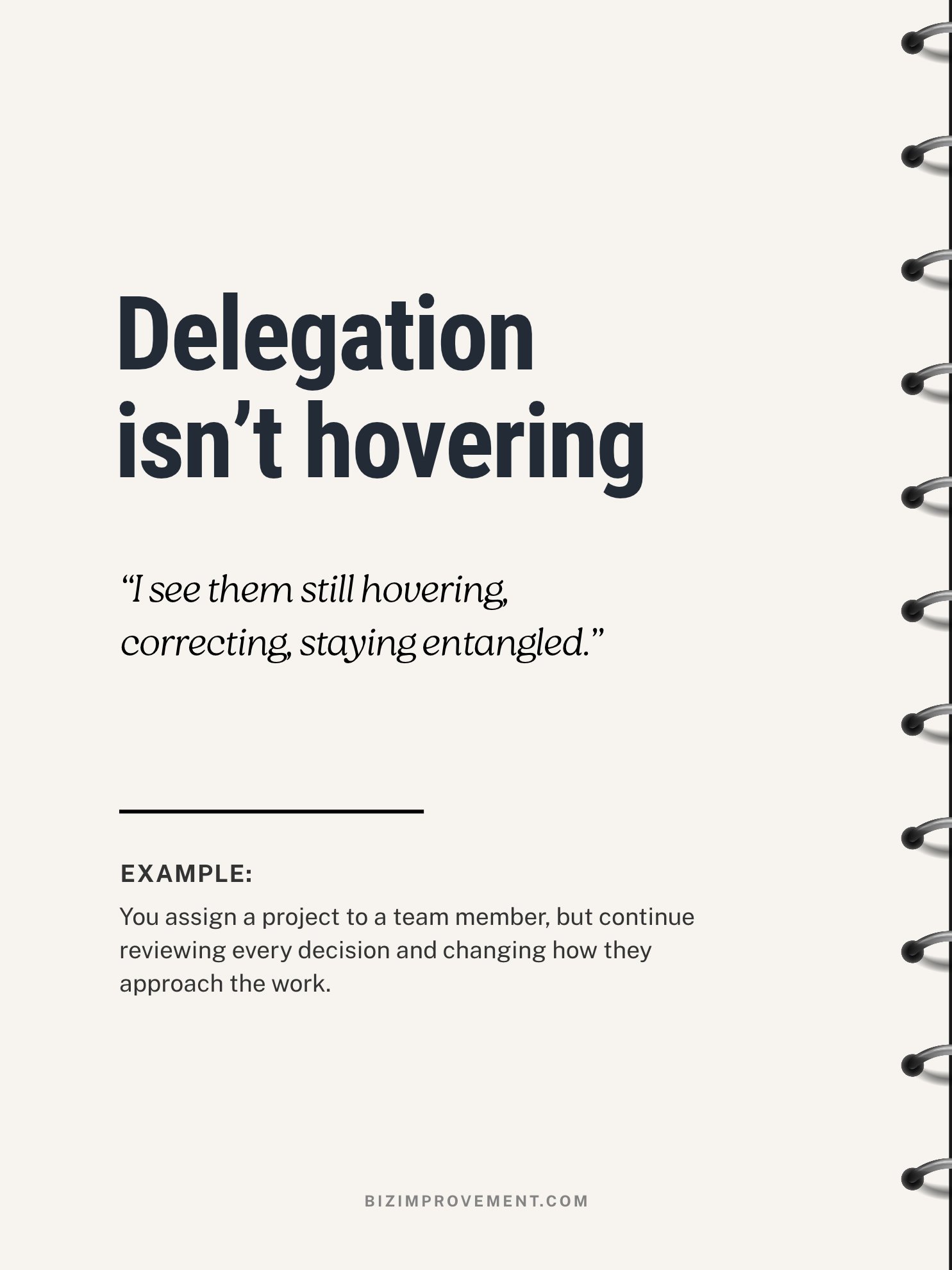
I've worked with plenty of leaders who believe they've delegated a responsibility, but when I look at what's actually happening, they're still very much involved.
They're checking every detail, correcting decisions, and staying entangled in the work.
They may have assigned the task to someone else, but they haven't really handed over ownership.
This creates frustration on both sides. The leader is still spending time managing something they intended to delegate, and the person responsible for the work doesn't have the freedom to get it done.
Effective delegation requires more than handing someone an assignment. It means being clear about the results you expect, giving that person room to determine how to achieve them, and establishing an appropriate level of communication along the way.
Here are three things I encourage leaders to consider.
1. Start With Clear Expectations
One of the most important parts of delegation happens before the work even begins.
Too often, leaders hand off an assignment assuming the other person understands what needs to be accomplished. But what seems obvious to the person delegating may not be nearly as clear to the person receiving the assignment.
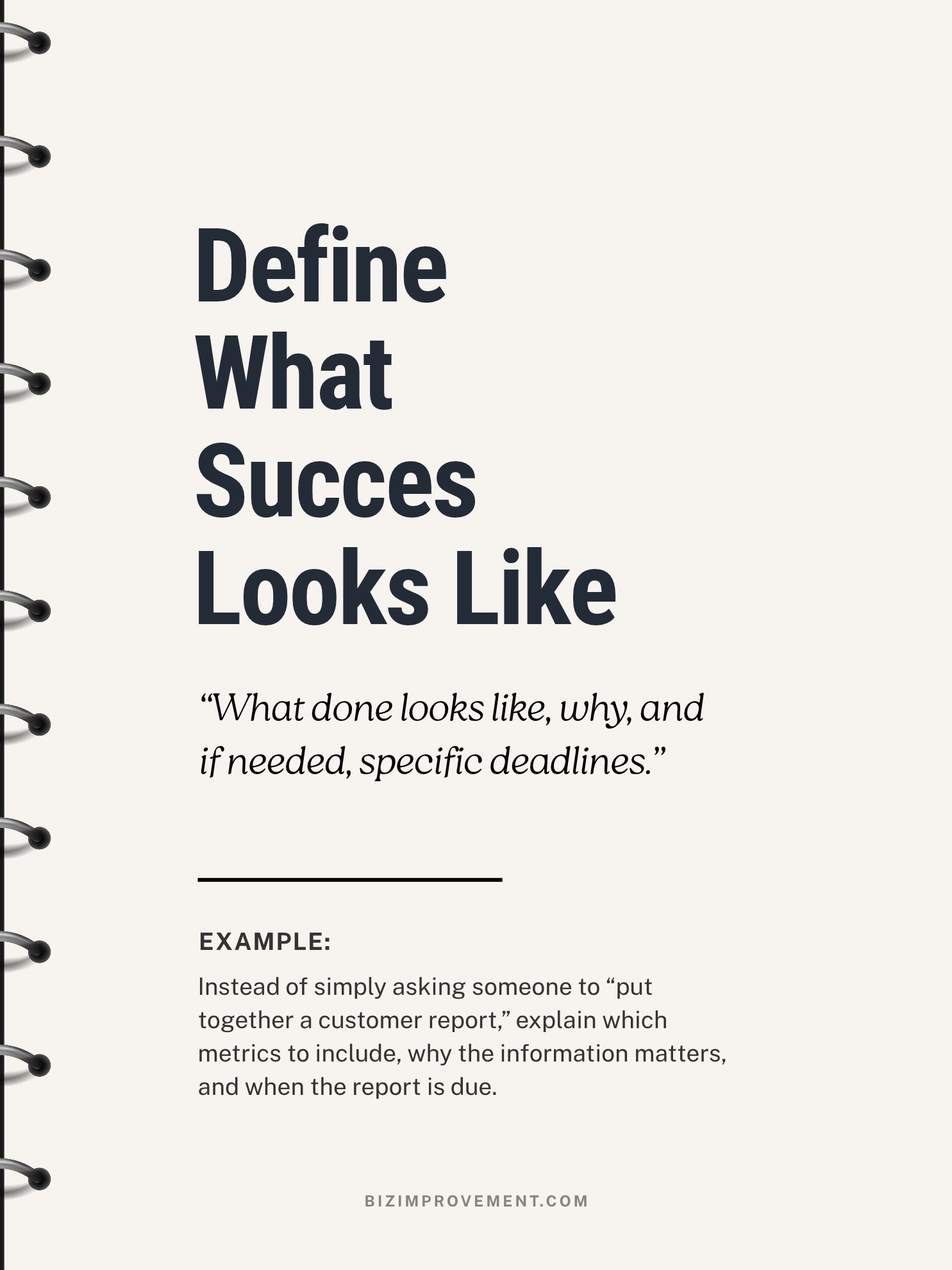
Take the time at the beginning to explain what success looks like.
What needs to be accomplished? Why does it matter? Are there specific deadlines or requirements?
For example, suppose you ask a team member to prepare a customer report.
You might know exactly what information you expect to see, but does the person preparing it?
Rather than simply asking for the report, explain which information matters, how the report will be used, and when it's needed.
The objective is to establish a clear understanding of the outcome without prescribing every step of the process.
When expectations are clear from the beginning, there's less confusion and less need for correction later.
2. Let Go of the How
This is where many leaders struggle.
They've explained what needs to be done and assigned someone to do it. But then they continue directing exactly how the work should happen.
They may have a particular process they've always followed or a preferred way of approaching the assignment.
And when someone else takes a different approach, the temptation is to step in and correct it.
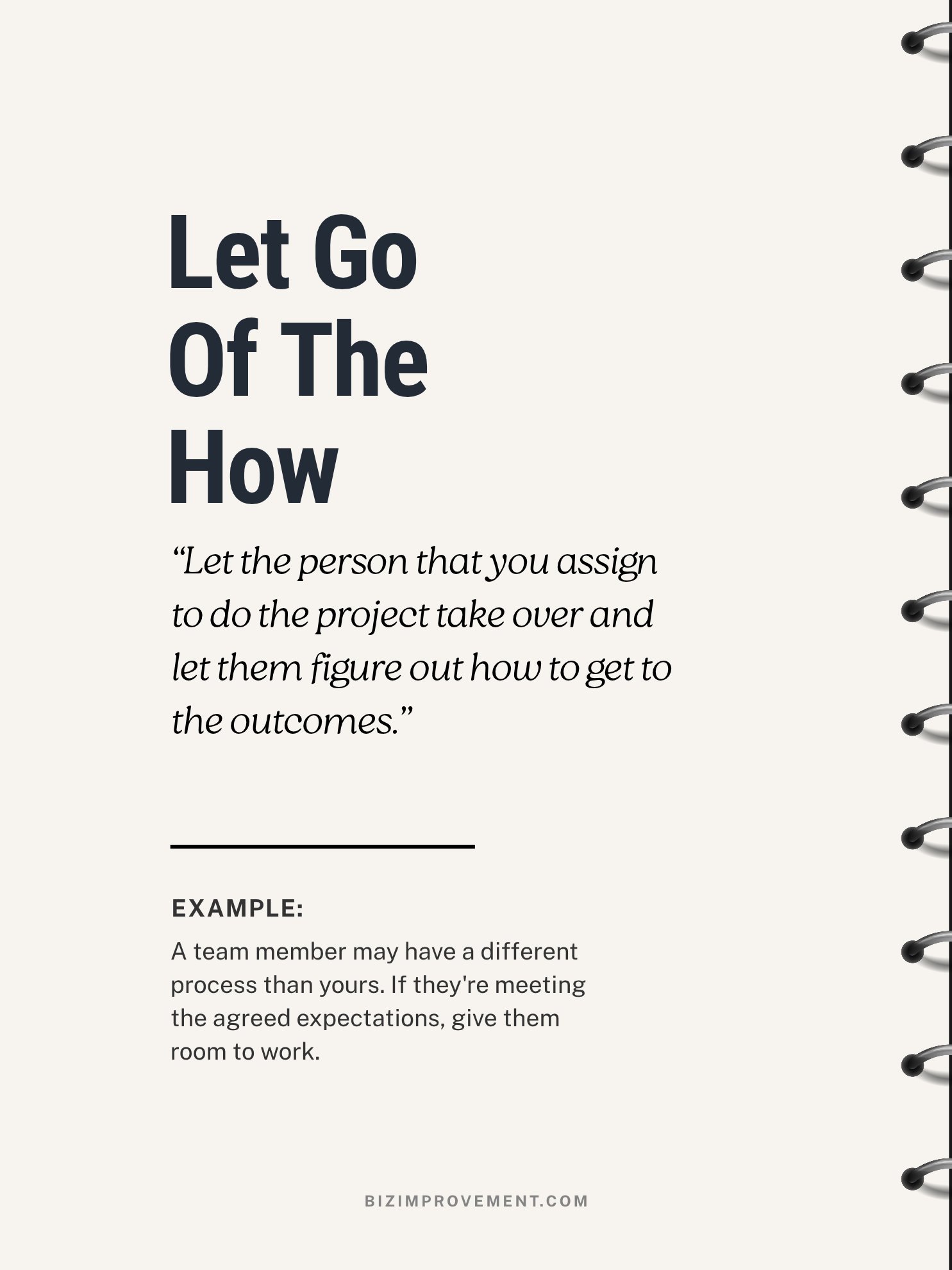
But here's the distinction: Delegating ownership means allowing someone else to determine how to achieve the agreed-upon results.
That doesn't mean abandoning standards or accepting poor outcomes.
It means recognizing that your way isn't necessarily the only way to accomplish something successfully.
If the person understands the expectations and is working toward the desired outcome, give them room to figure out how to get there.
Consider a department leader who assigns a project to a team member but insists on reviewing and approving every small decision.
The leader may believe they're being helpful, but they're still controlling the process.
The team member is responsible for completing the assignment without having much authority over how the work gets done.
That's not really ownership.
A better approach is to agree on the desired outcome and allow the person responsible to manage the process.
As leaders, we need to be willing to let go of the method.
3. Stay Informed Without Taking Over
Delegating ownership doesn't mean you should never ask about progress.
There are plenty of situations where regular check-ins make sense, particularly for larger projects or quarterly priorities.
The important thing is to establish those expectations in advance.
If you need a weekly update, agree on that at the beginning. If there are important milestones along the way, identify them.
This allows you to stay informed without constantly interrupting the person doing the work.
There's a difference between checking progress
Build a Better Plan for the Coming Year
As you prepare for annual planning, think beyond the improvements you want to make.
Think about who will be responsible for making them happen.
Our FREE Annual Planning sessions are designed to help you get started with a more focused approach to planning and execution.