

The Vacation Effect: Why Are We So Productive Before We Leave?




By Doug Diamond | Business Improvement
Have you ever noticed how much you get done in the two or three days before leaving for vacation?
Suddenly, you're incredibly focused. You're getting things off your desk, making decisions, organizing your calendar, and preparing for everything that needs to happen while you're away.
Things that might normally take a week somehow get accomplished in a couple of days.
Why does that happen?
I was thinking about this recently as I prepared to leave for my own vacation. I realized there's something we can learn from the way we work before taking time off.
What if we could bring that same level of focus and preparation to our ordinary workweeks?
What Changes Before Vacation?
I think the focus we experience before vacation comes from a combination of excitement and anxiety.
We're excited to get away, but we're also very aware of everything that needs to happen before we leave.
We don't want to come back to a mess. We want our teams to be able to operate while we're gone. And we know we have a very real deadline.
So we become more efficient.
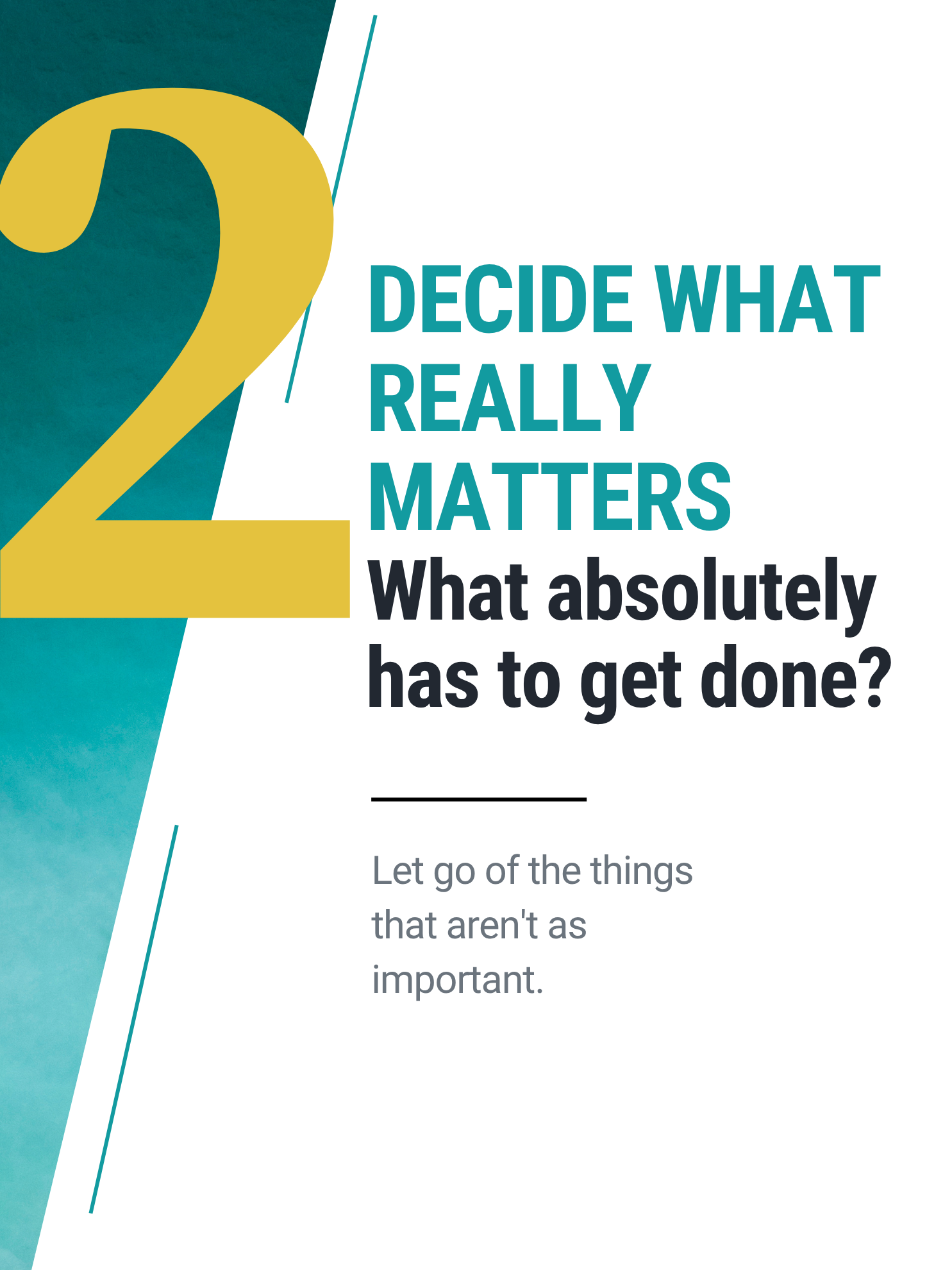
We decide what's important. We let go of things that aren't. We organize ourselves and start thinking ahead.
It's not necessarily that we suddenly become better at our jobs. We're just being more deliberate about how we use our time.
And I think there's an important lesson in that.
We've Become Too Focused on What's Right in Front of Us
One of the things I see with the CEOs and leadership teams I work with is how easy it is to get caught up in the day-to-day demands of running a business.
There's always another meeting, another client issue, another employee who needs something.
Life moves fast, and business changes quickly. It's understandable that leaders develop a short-term mindset.
But when we're constantly focused on getting through the next meeting or solving the next problem, we're not spending enough time thinking about what's coming.
Before vacation, we don't have that luxury.
We have to look ahead.
We have to ask ourselves what needs to happen next week, who needs information, and what we can do today to prevent problems tomorrow.
Why wouldn't we want to work that way all the time?
How Much Discretionary Time Do You Really Have?
Here's another thing I encourage leaders to think about.
A quarter has approximately 13 weeks. That sounds like a lot of time to accomplish your quarterly priorities.
But how much of that time is actually available?
Most leaders have a team to manage and responsibilities that are part of their everyday job. Meetings, client commitments, employee development, and operational issues consume much of their calendars.
When I talk with leaders about how much truly discretionary time they have, they're often surprised by how little is left.
If you have five full days of discretionary time over the course of a quarter, you're doing pretty well.
Think about that.
Five days to work on improvements above and beyond your regular responsibilities.
And yet, we often develop quarterly plans as though we have weeks of uninterrupted time available.
This is one of the reasons leadership teams struggle to accomplish their priorities.
They're planning around time they don't actually have.
The Best Leaders Don't Have to Do Everything Themselves
There's another dimension to this that I think is important.
The strongest leaders build teams that can do the work without requiring the leader to step in and take over.
I call this player coaching.
Think about a coach on the sidelines. The coach is watching the game, helping players improve, and making adjustments when necessary.
But the coach isn't running onto the field to play every position.
The same should be true in business.
When leaders constantly have to jump in and do the work themselves, they have less time available to lead, coach, and work on improving the business.
Building a capable team creates the space needed to focus on the things only the leader can do.
And that's important when you're trying to execute a quarterly plan.
Bring the Vacation Effect Into Your Regular Workweek
You don't need an upcoming vacation to start working differently.
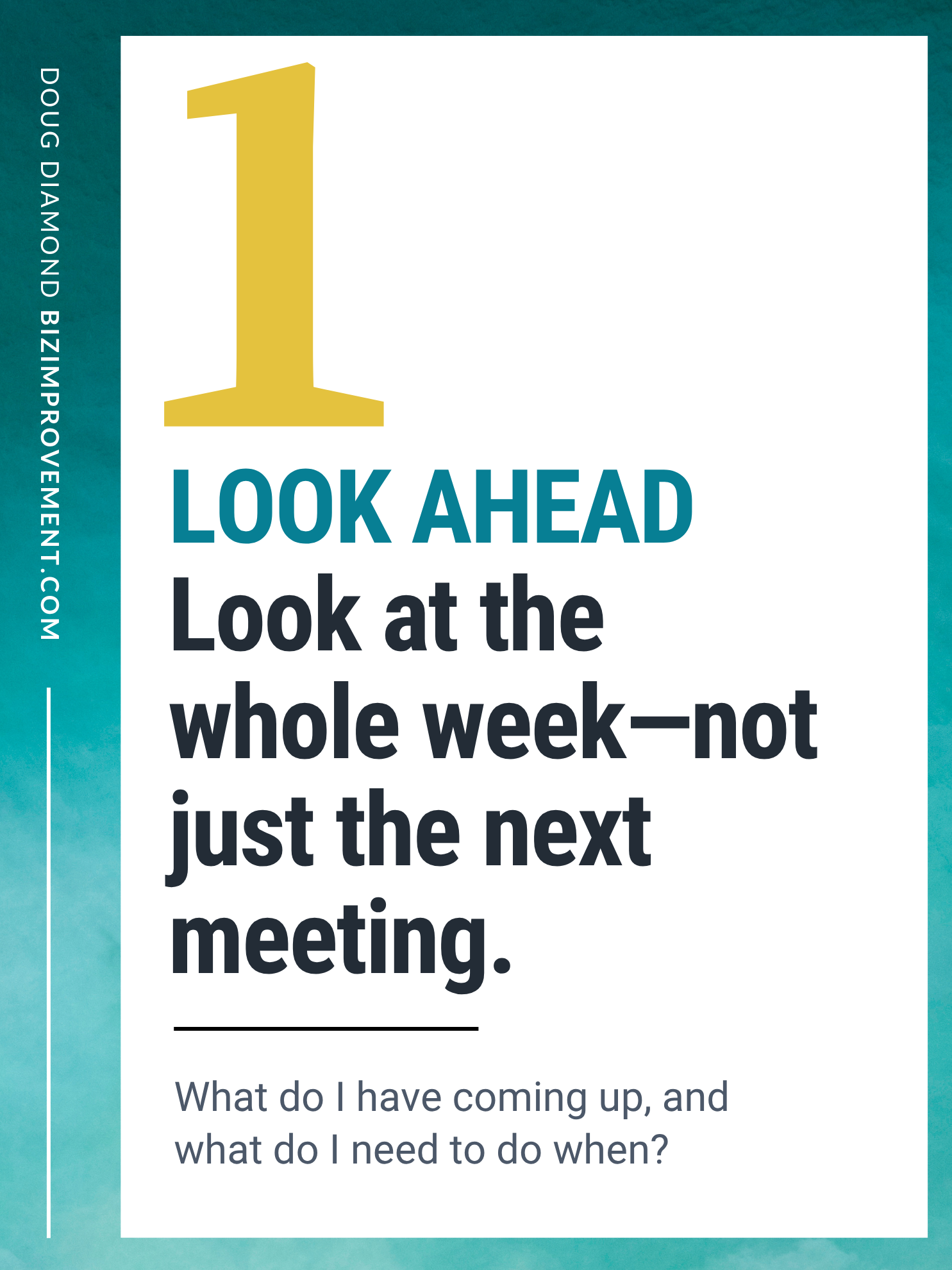
I encourage leaders to develop a simple habit of looking ahead.
At the beginning of each week, review your calendar. Look at what's coming and ask yourself what needs to be done in advance.
At the end of each day, take a few minutes to look at tomorrow.
What meetings are scheduled? What decisions need to be made? What can you prepare now?
You can even extend this exercise to the coming month.
The point is to stop reacting to everything as it happens and start preparing for what's ahead.
And while you're looking at your calendar, be realistic about your capacity.
If your quarterly plan requires more time than you actually have, something needs to change. You may need to narrow your priorities, delegate more effectively, or involve other people in getting the work done.
A good plan needs to reflect the reality of your available time.
What Would Change If You Worked This Way Every Week?
The next time you're preparing for a vacation, pay attention to what you're doing differently.
Notice how you prioritize, how you organize your work, and how much more deliberate you become about your time.
Then ask yourself why you don't do those things during a normal week.
We can't eliminate the daily demands of running a business. But we can be more intentional about how we prepare for them.
And if we bring even some of that vacation-level focus to our quarterly planning and execution, I think we'll find ourselves making much better progress on the improvements that matter.
Are You Ready to Build a Better Annual Plan?
As you prepare for the coming year, take a realistic look at your leadership team's time, capacity, and priorities.
Our FREE Annual Planning sessions are designed to help you get started with a more focused approach to planning.
